
Effective waste sorting is crucial in today’s waste management strategies. With increasing environmental concerns and the need for sustainable practices, improving waste sorting processes has become imperative. One technological advancement making significant strides in this area is the use of infrared detectors.
Understanding Waste Sorting Processes
Waste sorting involves separating waste into different categories, such as recyclables, organics, and landfill waste. This process is essential to maximize recycling rates, reduce landfill use, and minimize environmental impact. However, traditional waste sorting methods face challenges like inaccuracy, slow processing, and high contamination rates, which hinder their effectiveness.
Introduction to Infrared Detectors
What are Infrared Detectors?
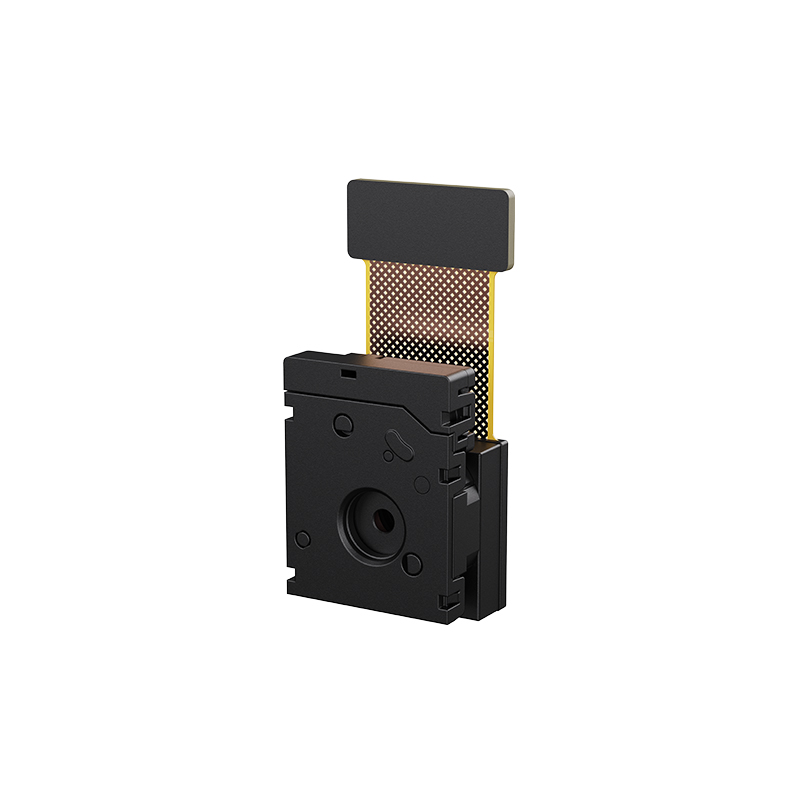
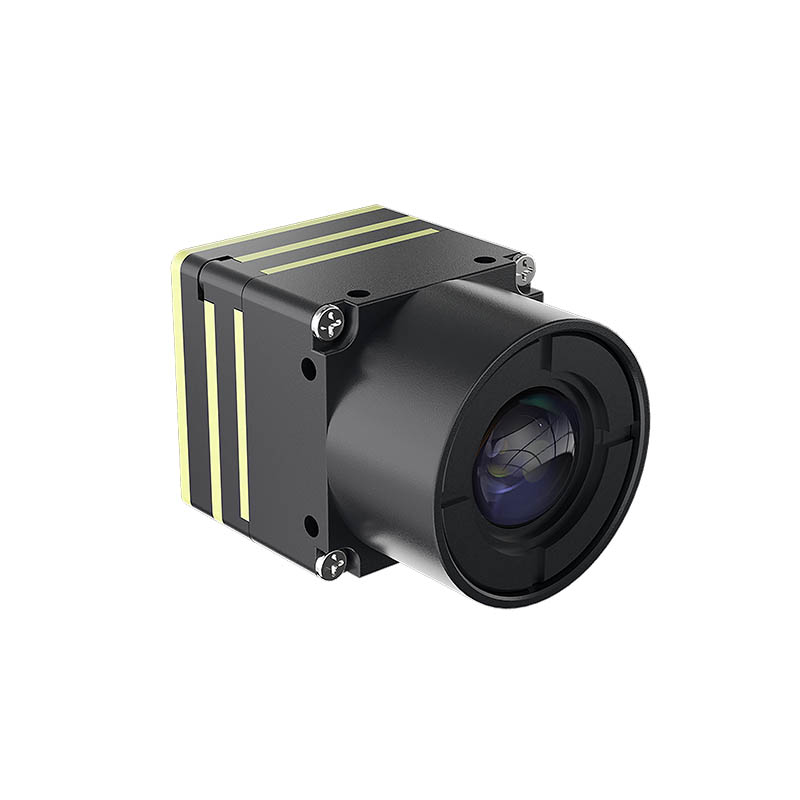
Infrared detectors are sensors that detect infrared radiation, which is emitted by objects based on their temperature. These detectors can identify different materials by analyzing their thermal properties and spectral characteristics.
How They Work
Infrared detectors use infrared light to scan waste materials. Each material reflects or absorbs infrared light differently, creating a unique spectral signature. The detector analyzes these signatures to accurately identify and sort materials.
Types of Infrared Detectors
There are various types of infrared detectors, including near-infrared (NIR) and mid-infrared (MIR) sensors. Each type has specific applications, with NIR being commonly used for sorting plastics and MIR for more detailed material differentiation.

Infrared Detectors in Waste Sorting
Integration with Waste Sorting Systems
Infrared detectors can be seamlessly integrated into existing waste sorting systems. They are typically installed along conveyor belts, scanning materials as they pass by. The data collected is then used to direct the materials to the appropriate sorting bins.
Advantages Over Traditional Methods
- Accuracy: Infrared detectors provide precise identification of different materials, reducing the risk of contamination in recycled batches.
- Speed: The technology enables faster sorting, processing more waste in less time.
- Efficiency: Improved accuracy and speed lead to higher recycling rates and reduced landfill waste.

Environmental and Economic Benefits
Environmental Impact
Infrared detectors help reduce landfill waste by ensuring more materials are correctly recycled. This contributes to lower greenhouse gas emissions and conserves natural resources. Moreover, accurate sorting reduces contamination, making recycling processes more efficient and effective.
Economic Impact
From an economic perspective, the improved sorting efficiency translates to cost savings for waste management facilities. Additionally, higher-quality recyclables can generate more revenue, making the investment in infrared technology financially beneficial.

Future Prospects of Infrared Technology in Waste Management
Innovations and Developments
The future of infrared technology in waste management looks promising, with ongoing research and development. Innovations like AI integration and advanced sensor technology are expected to further enhance sorting accuracy and efficiency.
Potential Challenges
Despite the advantages, there are potential challenges, such as high initial costs and the need for skilled technicians. However, as technology advances and becomes more affordable, these obstacles are likely to diminish.
Infrared detectors offer a remarkable improvement in waste sorting processes, addressing the limitations of traditional methods. Their accuracy, speed, and efficiency make them a game-changer in sustainable waste management. As technology continues to evolve, the role of infrared detectors in waste sorting will only become more significant.
Frequently Asked Questions (FAQ)
What are infrared detectors?
Infrared detectors are sensors that detect infrared radiation emitted by objects, used to identify and sort materials based on their thermal properties.
How do infrared detectors improve waste sorting?
They provide accurate, fast, and efficient sorting by analyzing the unique spectral signatures of different materials.
What are the environmental benefits of using infrared detectors in waste sorting?
They reduce landfill waste, improve recycling rates, and lower greenhouse gas emissions.
Are there any disadvantages to using infrared detectors for waste sorting?
Potential disadvantages include high initial costs and the need for skilled technicians.
How can communities implement this technology?
Communities can start by integrating infrared detectors into their existing waste sorting systems and training staff to use the technology effectively.