
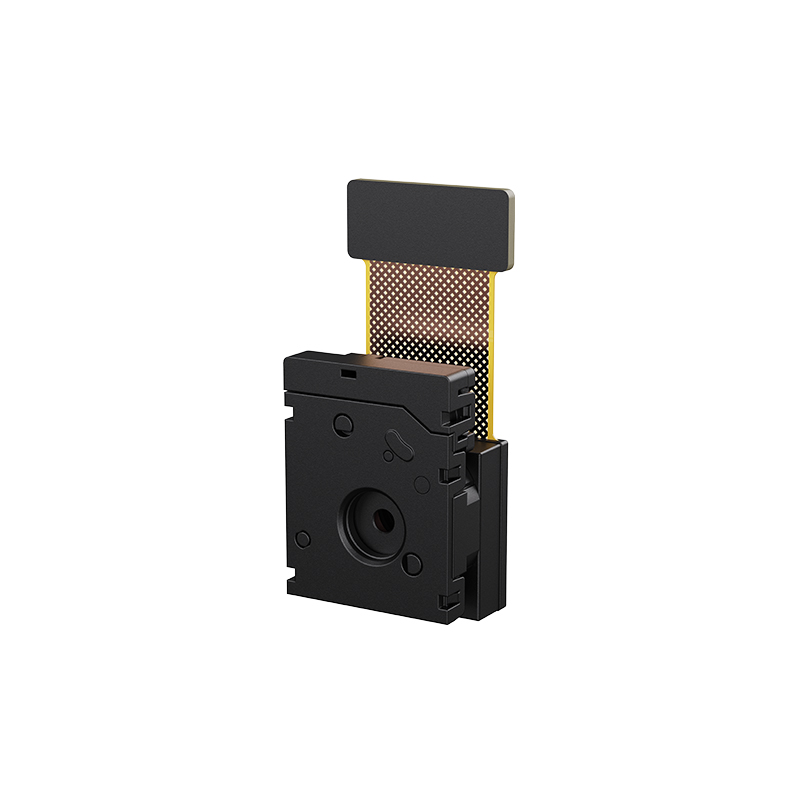
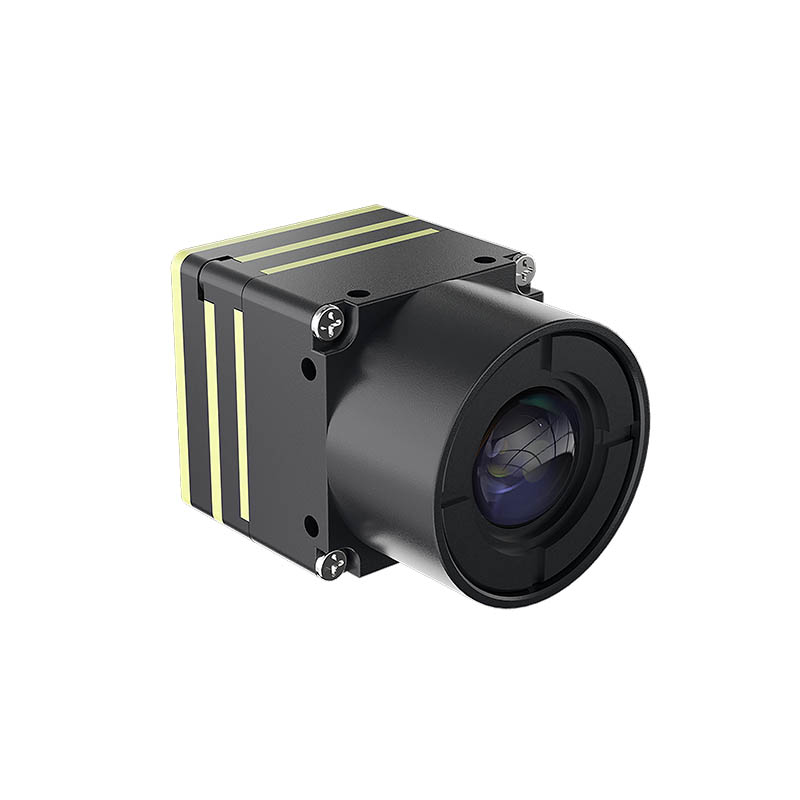
In the fast-paced world of research and development (R&D) and scientific exploration, efficiency and precision are paramount. As technologies evolve, one tool that has proven indispensable in enhancing these aspects is thermal imaging. This blog will delve into why thermal imaging is crucial for R&D and scientific applications, and how it can significantly boost your efficiency and accuracy.
Why Thermal Imaging?
1. Non-Destructive Testing
Thermal imaging allows for non-destructive testing (NDT), making it possible to evaluate the properties of a material, component, or system without causing damage. This is particularly important in fields like materials science, electronics, and engineering, where preserving the integrity of the sample is critical. By using thermal cameras, researchers can detect flaws, inconsistencies, or areas of stress in materials without any physical interference.
2. Enhanced Precision and Detail
Modern thermal imaging cameras provide high-resolution images and detailed temperature readings. This capability is essential for applications that require meticulous thermal analysis, such as semiconductor research, aerospace engineering, and environmental science. The precise temperature data helps in understanding complex thermal behaviors, leading to more accurate and reliable results.

3. Real-Time Monitoring
Thermal imaging offers the advantage of real-time monitoring. Researchers can observe thermal changes as they happen, which is particularly useful in experiments involving dynamic processes. For instance, in chemical reactions, biological studies, or mechanical testing, being able to monitor temperature variations in real-time can provide critical insights and immediate feedback.

How Can Thermal Imaging Boost Efficiency?
1. Speeding Up Diagnostics and Analysis
One of the primary ways thermal imaging enhances efficiency is by speeding up diagnostics and analysis. Traditional methods of temperature measurement, such as thermocouples or infrared thermometers, can be time-consuming and limited in scope. Thermal cameras, however, can scan large areas quickly and provide comprehensive thermal profiles. This means researchers can identify issues, make adjustments, and gather data much faster.
2. Reducing Downtime
In industrial R&D settings, downtime can be costly. Thermal imaging helps in predictive maintenance by identifying potential problems before they cause failures. For example, in electrical systems, thermal imaging can detect overheating components, allowing for timely intervention and reducing the risk of unexpected breakdowns. This proactive approach minimizes downtime and ensures smoother operations.

3. Improving Safety
Safety is a critical concern in many R&D and scientific environments. Thermal imaging enhances safety by allowing for remote temperature measurement. Researchers can monitor hazardous areas or equipment without direct contact, reducing the risk of burns, electrical shocks, or exposure to harmful substances. This is particularly valuable in high-temperature processes, chemical laboratories, and electrical engineering projects.
4. Enhancing Data Collection and Analysis
Thermal imaging systems often come with advanced software for data collection and analysis. These tools enable researchers to store, analyze, and visualize thermal data with ease. The ability to integrate thermal data with other research data sets enhances the overall analysis, leading to more comprehensive and insightful results. Moreover, automated data logging and reporting save time and reduce the likelihood of human error.

Practical Applications of Thermal Imaging in R&D and Science
1. Electronics and Semiconductor Research
In the electronics industry, thermal imaging is used to detect overheating components, study heat dissipation, and ensure the reliability of circuits and devices. Semiconductor researchers use thermal cameras to analyze temperature distributions on microchips and improve thermal management in electronic components.
2. Material Science
Thermal imaging helps in studying the thermal properties of materials, identifying defects, and understanding material behavior under different thermal conditions. This is crucial in developing new materials with desired thermal characteristics and in quality control during manufacturing processes.

3. Environmental Science
Environmental scientists use thermal imaging to monitor temperature variations in ecosystems, study the effects of climate change, and track animal behavior. For instance, thermal cameras can detect heat emissions from plant canopies, measure soil temperatures, and observe wildlife without disturbance.
4. Biomedical Research
In biomedical research, thermal imaging is used for studying physiological processes, monitoring body temperature changes, and detecting anomalies in medical diagnostics. It provides a non-invasive method for observing temperature-related phenomena in living organisms.
Thermal imaging is a powerful tool that enhances the efficiency and effectiveness of R&D and scientific endeavors. Its ability to provide detailed, real-time, and non-destructive thermal data makes it invaluable across various fields. By incorporating thermal imaging into your research processes, you can speed up diagnostics, improve safety, reduce downtime, and enhance data analysis.