
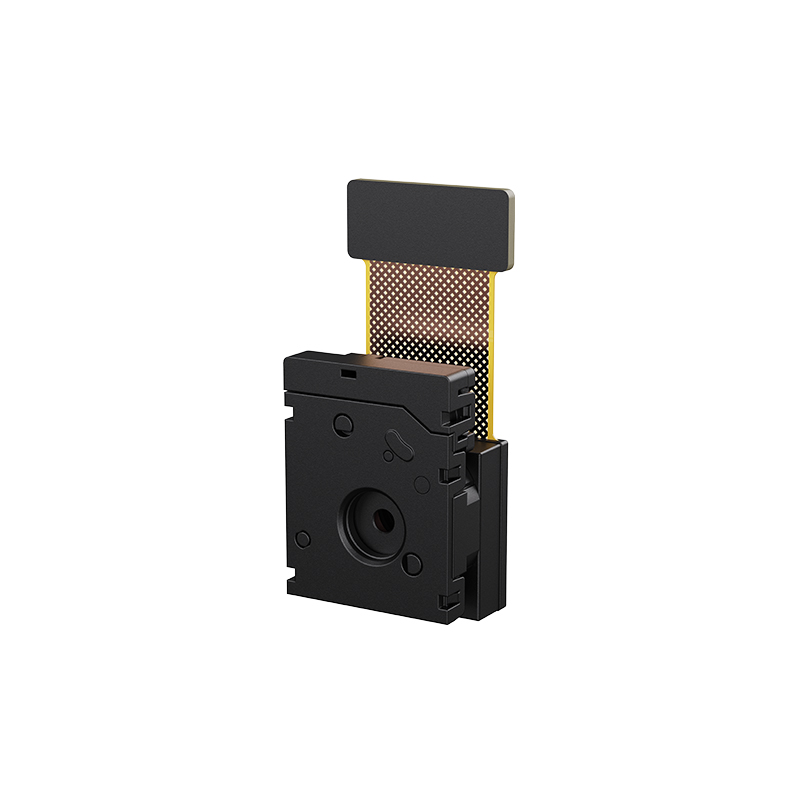
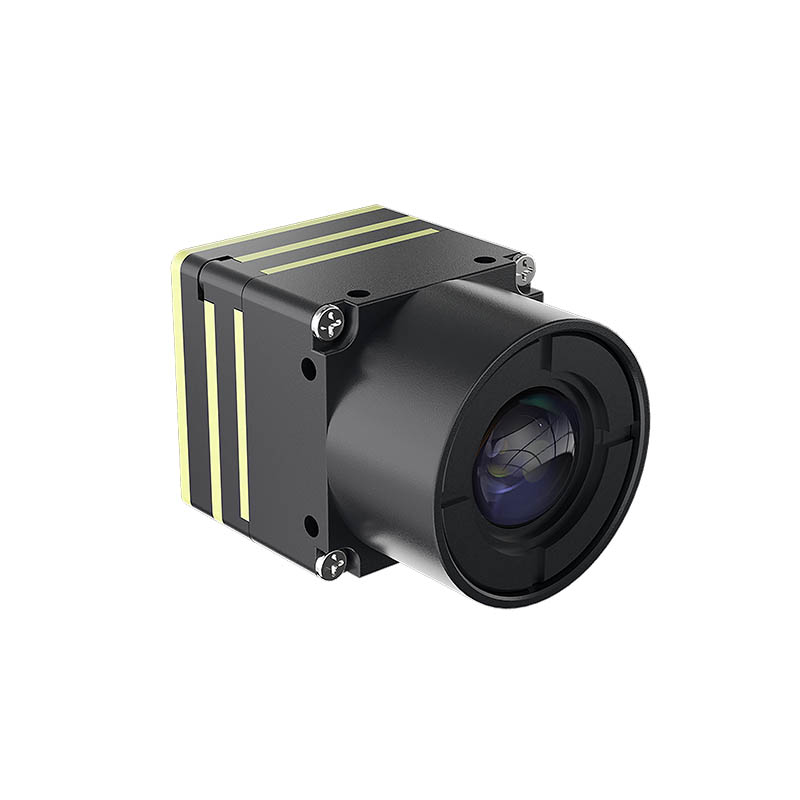
Advanced Driver Assistance Systems (ADAS) have revolutionized the automotive industry by integrating a suite of safety and driver-aid technologies into vehicles. These systems are designed to enhance vehicle safety, driving experience, and even fuel efficiency. Among the various types of sensors that ADAS employs, thermal sensors play a pivotal role.
The Crucial Role of Thermal Sensors in ADAS
Enhancing Night Vision
Automotive thermal sensors excel in low-light conditions, providing a clear view of the road ahead. Unlike traditional cameras that rely on visible light, thermal sensors detect heat signatures, allowing drivers to see pedestrians, animals, and obstacles even in pitch darkness. This capability is crucial for night driving, significantly reducing the risk of accidents.
Detecting Obstacles and Pedestrians
Thermal sensors are invaluable in detecting heat signatures of obstacles and pedestrians. They can identify living beings and objects through their heat emissions, which is particularly useful in foggy or dusty conditions where visibility is compromised. ADAS equipped with thermal sensors can preemptively alert drivers or even take evasive actions to avoid collisions.

Adaptive Cruise Control
Adaptive cruise control systems benefit from thermal sensors by maintaining a safe distance from other vehicles, regardless of weather conditions. Thermal sensors provide consistent detection capabilities, ensuring that the system can accurately track the vehicle ahead, even in heavy rain or snow.
Integration with Other Sensors
The integration of thermal sensors with other types of sensors, such as infrared and rangefinder, creates a comprehensive sensor network. This synergy enhances the overall performance of ADAS, providing a more accurate and reliable detection of the vehicle’s surroundings.

Regulatory and Safety Standards
Regulatory bodies worldwide are increasingly recognizing the importance of ADAS in improving road safety. Thermal sensors, as part of ADAS, are often recommended or required by safety standards to ensure vehicles meet the highest safety benchmarks.
Future Trends and Technological Advancements
The future of ADAS is promising, with thermal sensor technology expected to advance further. We can anticipate more sophisticated thermal imaging systems that offer higher resolution and better detection capabilities. These advancements will not only improve existing ADAS features but may also introduce new functionalities that further enhance vehicle safety and performance.
Thermal sensors are an indispensable component of ADAS, providing a layer of safety and functionality that traditional sensors cannot match. Their ability to operate effectively in various conditions and integrate seamlessly with other sensor technologies makes them a cornerstone of modern automotive safety systems.
As we continue to innovate and integrate more advanced technologies into vehicles, the role of thermal sensors in ADAS will only grow. It is an exciting time for the automotive industry, with thermal sensors playing a central part in shaping the future of safe and intelligent driving.