
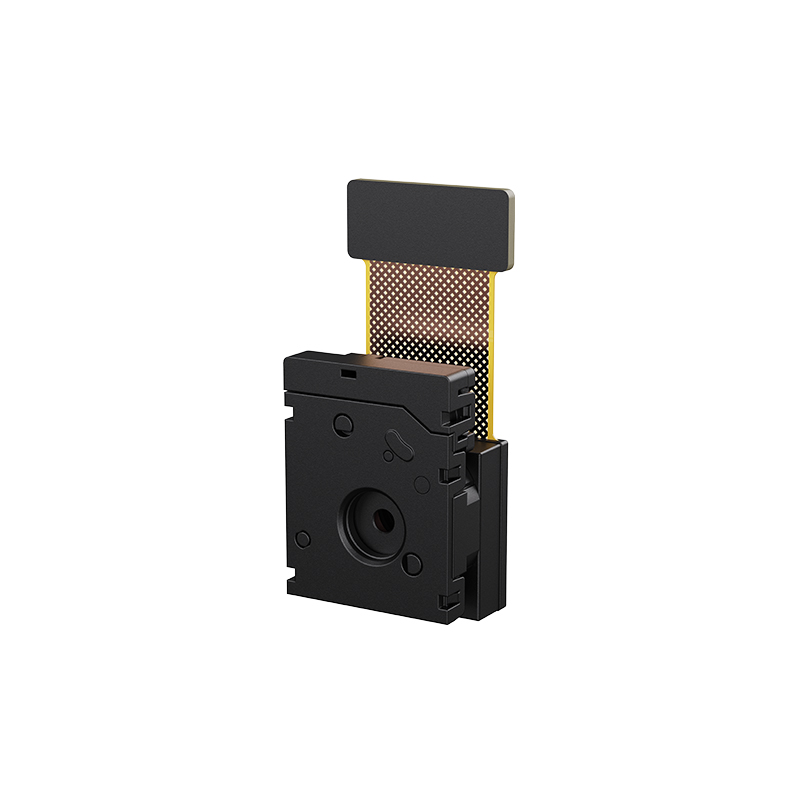
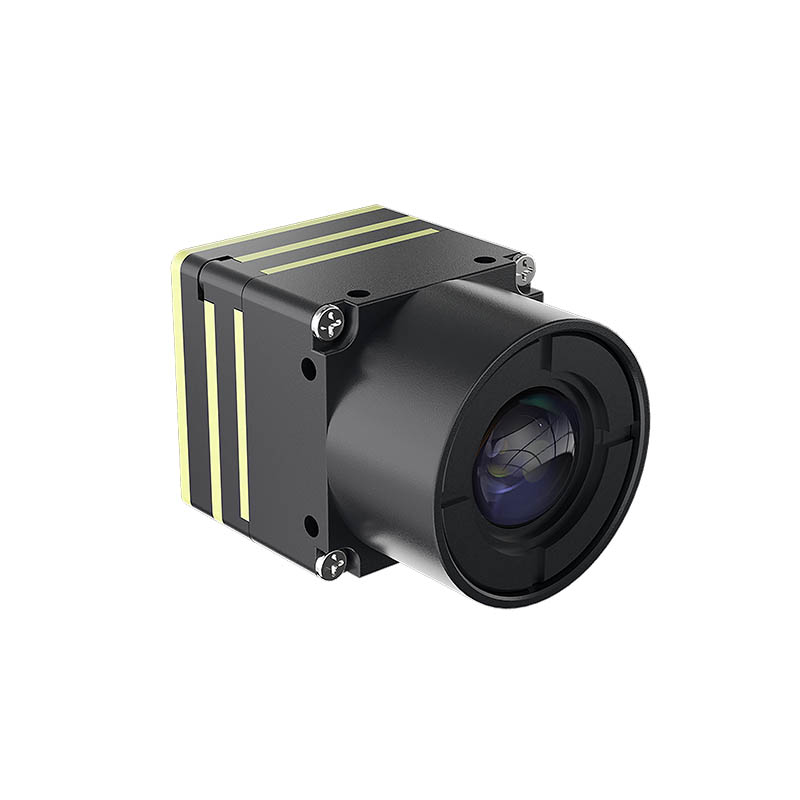
In the realm of security, the line between effective monitoring and mere observation is often defined by the technology employed. High-end thermal imaging sensors have emerged as a game-changer, offering unparalleled capabilities that traditional security equipment simply cannot match. These sensors provide a new dimension to security systems, ensuring that no detail is left unseen, regardless of the conditions.
Understanding Thermal Imaging Sensors
What Are Thermal Imaging Sensors?
Thermal imaging sensors, also known as thermographic cameras, detect and measure thermal radiation emitted by objects in their field of view. Unlike visible light cameras, they do not rely on external light sources, making them ideal for round-the-clock monitoring.
How Do They Work?
These sensors work by capturing the infrared (IR) energy emitted by objects. The captured energy is then converted into an electronic signal, which is processed to create a thermal image. This image represents the temperature variations of the scene, allowing for the detection of heat signatures.

Advantages of High-end Thermal Imaging Sensors
Enhanced Visibility in Low Light Conditions
Nighttime Monitoring
High-end thermal imaging sensors excel in low-light conditions, providing clear images even in complete darkness. This capability is crucial for nighttime monitoring, ensuring that security personnel can monitor areas effectively without the need for artificial lighting.
Fog and Smoke Penetration
Thermal imaging sensors can penetrate through fog, smoke, and other atmospheric obscurants, maintaining visibility in challenging conditions that would render traditional cameras ineffective.

Improved Detection Capabilities
Human and Animal Detection
Thermal sensors can detect the heat signatures of humans and animals from a distance, making them invaluable for perimeter security and wildlife monitoring.

Versatility Across Environments
Outdoor vs. Indoor Applications
Whether deployed outdoors to monitor vast areas or indoors for close-quarter monitoring, high-end thermal imaging sensors offer consistent performance.
Extreme Weather Conditions
Their ability to function in extreme temperatures and weather conditions makes them indispensable for environments with harsh climates.

Applications in Security Equipment
Industrial Security
Perimeter Protection
For industrial sites, thermal imaging sensors secure perimeters by detecting intruders and monitoring activity, day or night.
Asset Monitoring
They also monitor critical assets and infrastructure for unauthorized access or potential faults, such as overheating equipment.

Technological Advancements
Recent Innovations in Thermal Imaging
High Resolution and Image Quality
Advancements in sensor technology have led to higher resolution and improved image quality, providing more detailed thermal images.
Integration with AI and Machine Learning
The integration of AI and machine learning algorithms with thermal imaging sensors enhances the analysis of thermal data, improving detection and classification of objects.

Future Trends and Predictions
Autonomous Systems Integration
The future of thermal imaging sensors includes deeper integration with autonomous systems for automated threat detection and response.
Enhanced Data Processing Capabilities
Advancements in data processing will allow for faster analysis and more accurate insights from thermal imaging data.

Challenges and Considerations
Cost Implications: Initial Investment vs. Long-term Benefits
While the initial investment in high-end thermal imaging sensors may be significant, the long-term benefits in terms of security and monitoring capabilities justify the expense.
Privacy Concerns: Ethical Use of Monitoring Technology
The use of thermal imaging sensors raises privacy concerns, emphasizing the need for ethical guidelines and regulations regarding surveillance technology.
Maintenance and Calibration: Regular Checks and Updates
To ensure optimal performance, thermal imaging sensors require regular maintenance, calibration, and software updates.
High-end thermal imaging sensors are not just a luxury for security equipment; they are a necessity. Their ability to provide clear, detailed thermal images in all conditions, detect heat signatures with precision, and integrate with advanced technologies makes them indispensable for modern security systems. As technology continues to evolve, the role of thermal imaging sensors in security will only grow, offering new possibilities for surveillance and protection.