
How To Choose the BEST Thermal Camera: In 4 Easy Steps
Thermal cameras are becoming increasingly popular across various fields, from firefighting to wildlife monitoring. Choosing the right thermal camera can be daunting given the many options available. This guide will walk you through four easy steps to help you choose the best thermal camera for your needs.
Step 1: Determine Your Needs of Thermal Cameras
Identify the Purpose
First, you need to identify why you need a thermal camera. Are you a firefighter needing to see through smoke, an engineer inspecting machinery, or a homeowner looking for insulation leaks? Different applications require different types of thermal cameras. Knowing your specific needs will help narrow down your choices.
Consider Environmental Factors
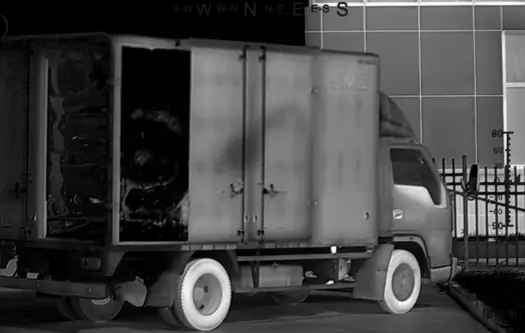
Consider the conditions in which you will use the camera. Will you be using it in extreme temperatures, wet environments, or at night? These factors can significantly impact the type of thermal camera you should choose. Ensure the camera you select is designed to operate effectively in your intended environment.
Step 2: Understand Key Features of Thermal Cameras
Resolution and Image Quality
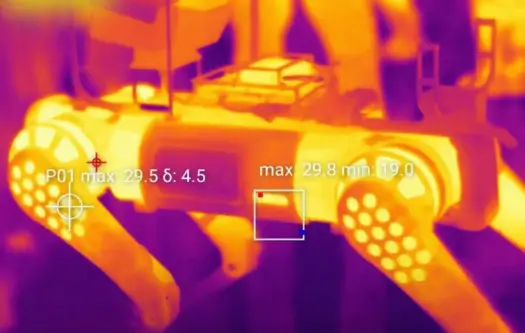
The resolution of a thermal camera is crucial as it determines the clarity of the images. Higher resolution provides more detailed images, which is essential for applications requiring precision, like electrical inspections or medical diagnostics. Look for cameras with higher pixel counts for better image quality.
Sensitivity and Accuracy
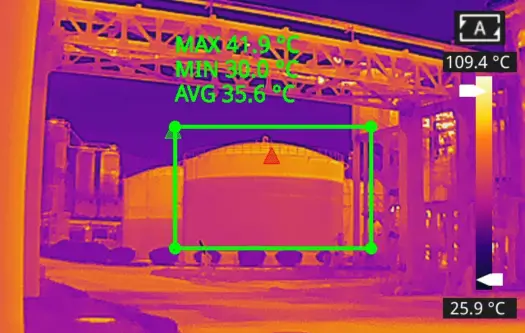
Thermal sensitivity, measured in NETD (Noise Equivalent Temperature Difference), indicates the camera’s ability to detect small temperature differences. A lower NETD value means better sensitivity. Accuracy is also vital, as it ensures the temperature readings are reliable. Check the specifications for both sensitivity and accuracy to find a model that meets your needs.
Field of View (FOV)
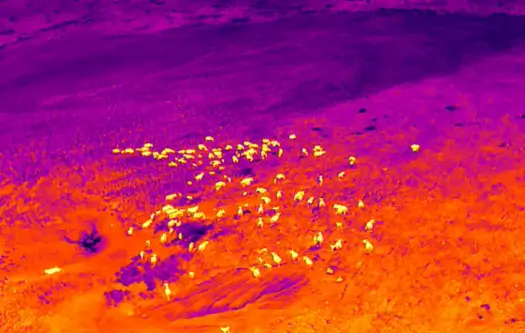
The Field of View (FOV) refers to the area the camera can capture in a single image. A wider FOV is useful for scanning large areas quickly, while a narrower FOV is better for detailed inspections. Choose an FOV that aligns with your typical usage scenarios.
Battery Life and Durability
For prolonged use, battery life is a critical consideration. Ensure the thermal camera you choose has a battery life that suits your needs. Additionally, if you will be using the camera in harsh conditions, look for models that are rugged and durable.
Step 3: Compare Brands and Models of Thermal Cameras
Top Brands in Thermal Imaging
Leading brands like FLIR, LynRed, Fluke, InfiSense, and Seek Thermal offer reliable and high-quality thermal cameras or thermal sensors for OEM. These brands are known for their innovation, durability, and excellent customer support. Researching these brands can give you a good starting point.
Model Comparisons
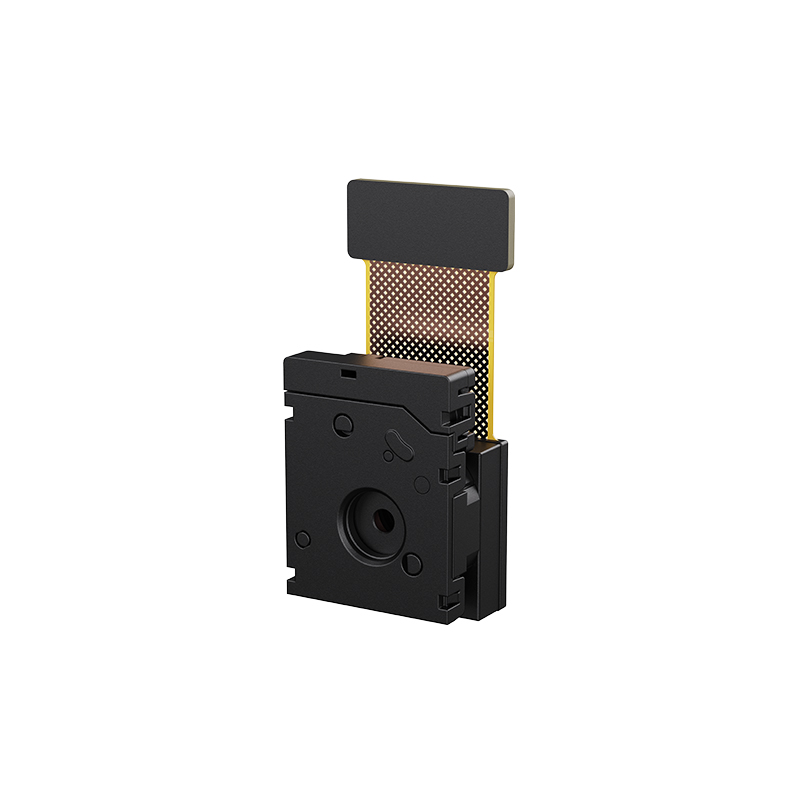
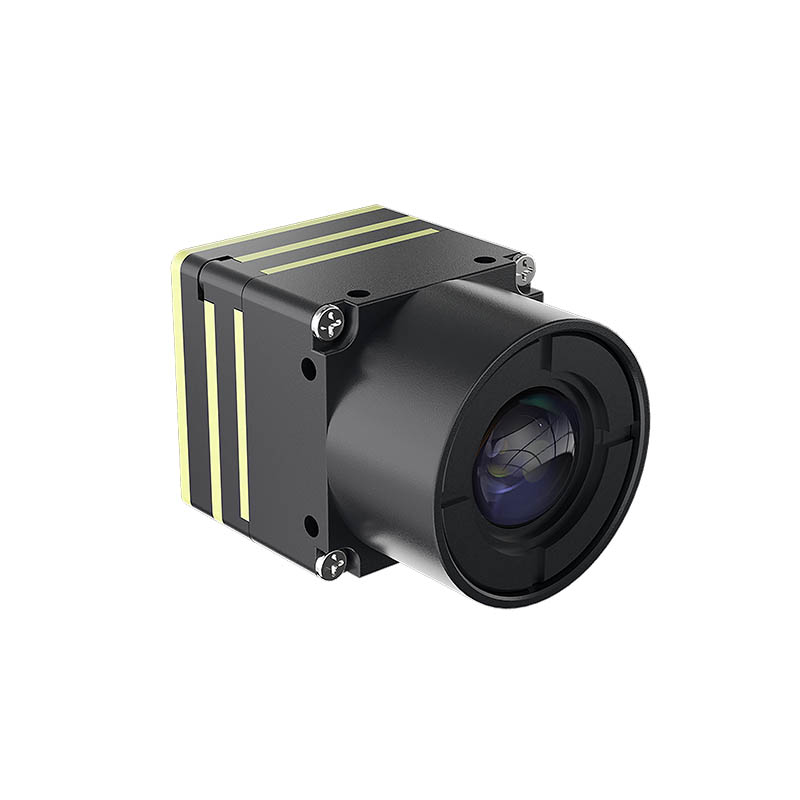
Different models cater to various budgets and requirements. For example, the FLIR E8 offers high resolution and sensitivity but comes at a higher price. On the other hand, the Seek Thermal Compact is more affordable and suitable for casual use. Compare the pros and cons of different models to find the best fit for you. If you want to purchase in bulk or do OEM, then InfiSense’s thermal sensor module will be a good choice.
Read Reviews and Testimonials
User reviews and expert testimonials can provide valuable insights into the performance and reliability of a thermal camera. Websites like Amazon, specialized forums, and tech review sites are good places to read about other users’ experiences. Look for consistent feedback about the camera’s performance in real-world scenarios.
Step 4: Budget Considerations of Choosing Thermal Cameras
Setting a Budget
Determine how much you are willing to spend on a thermal camera. Prices can range from a few hundred to several thousand dollars. Your budget will largely depend on the features you need and the frequency of use.
Cost vs. Features
There is often a trade-off between cost and features. While high-end models offer advanced features and better performance, they come at a higher price. Consider what features are essential for your needs and find a balance between cost and functionality.
Financing and Warranty Options
Some retailers offer financing options, making it easier to afford higher-end models. Additionally, a good warranty can provide peace of mind by covering repairs and replacements. Look for cameras that come with comprehensive warranty coverage.
Choosing the best thermal camera involves determining your needs, understanding key features, comparing brands and models, and considering your budget. By following these four steps, you can make an informed decision and find a thermal camera that meets your requirements.